
What the New NDIS Changes Mean for Participants and Families
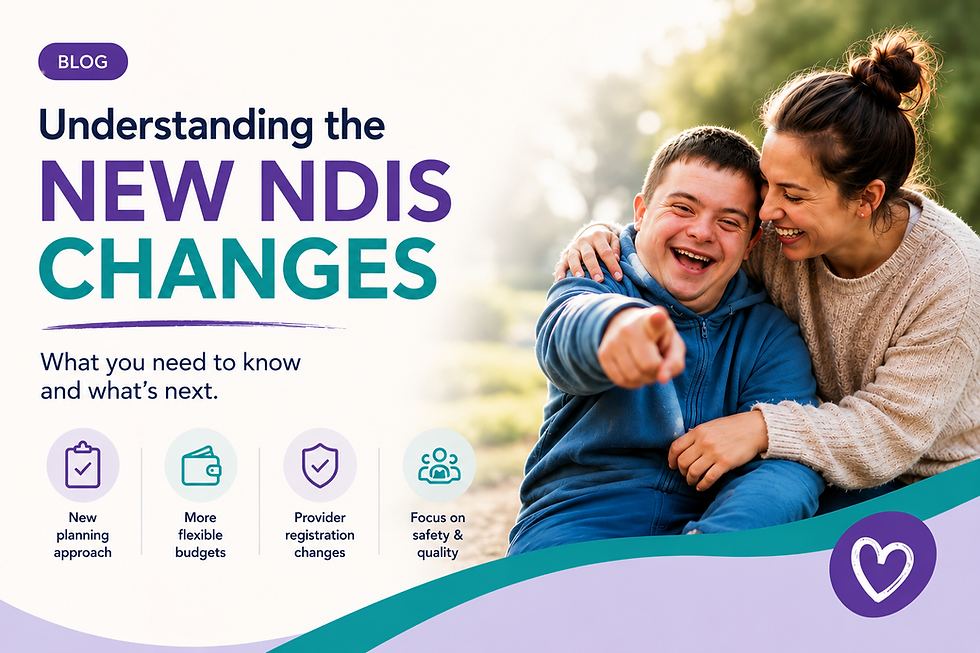
A clear explanation of the latest NDIS changes, including planning updates, provider registration, support needs assessments, and what participants should do next. What the New NDIS Changes Mean for Participants and Families
The NDIS is going through a major period of change. For many participants, families and carers, this can feel confusing and stressful. The good news is that not everything is changing at once, and many of the changes will be introduced gradually.
At You’re First Care, our focus is to help participants feel supported, informed and confident while these changes are rolled out.
Why is the NDIS changing?
The Australian Government has said the changes are designed to make the NDIS fairer, more consistent and more sustainable for the future. A key part of the reform is making sure supports are connected to a participant’s disability-related needs and that planning decisions are more consistent across the country.
This does not mean participants should panic. It means it is more important than ever to understand your plan, keep clear records and make sure your supports are linked to your goals and disability-related needs.
New framework planning
One of the biggest changes is called new framework planning.
Under this approach, participants will have a support needs assessment. This is intended to help identify the support a person needs because of their disability. The NDIA has stated that the assessment will be a guided conversation with a trained assessor and that plans will continue to be approved by trained NDIS staff, not automated systems.
The rollout of new framework planning has been delayed, with participants now expected to start transitioning from 1 April 2027.
More flexible budgets
The new planning approach is expected to create more flexible budgets, rather than plans being built around individual line-by-line supports. This may give participants more flexibility in how they use their funding, as long as supports are reasonable, necessary and connected to their disability needs.
For participants and families, this means it will be important to clearly explain what supports are needed, why they are needed, and how they help with daily life, safety, independence, community access and personal goals.
Provider registration changes
Provider registration is also changing.
From 1 July 2026, Supported Independent Living providers and NDIS digital platform providers will need to be registered with the NDIS Quality and Safeguards Commission. The Government has also indicated that mandatory registration will expand over time to higher-risk supports, including areas such as personal care, daily living supports and supports delivered in closed settings.
The aim is to improve safety, quality and oversight across the NDIS market. For participants, this may affect which providers can deliver certain types of support in the future.
What should participants do now?
The best thing participants and families can do is prepare early.
Keep copies of service agreements, invoices, support notes, therapy reports and any evidence showing how your supports help you. When your plan is reviewed or reassessed, clear evidence can make it easier to explain your needs.
It is also helpful to review your current goals and supports. Ask yourself:
Are my supports helping me build independence? Are they connected to my disability needs? Do they help me participate safely at home or in the community? Do I have clear records of what support I receive and why?
These can be answered by You're First Care AI Helper
What this means for You’re First Care participants
For You’re First Care participants, our role remains the same: to provide reliable, person-centred support that helps you feel safe, respected and in control.
We will continue to focus on practical supports such as transport, community access, in-home assistance, daily living skills and personalised care. As the NDIS changes continue, we will also keep supporting participants and families to understand how their supports fit within their plan and goals.
Final thoughts
The NDIS changes are significant, but they are being introduced over time. Participants do not need to have all the answers today. What matters most is staying informed, keeping good records and working with providers who understand the importance of quality, safety and choice.
At You’re First Care, we are here to help participants and families navigate these changes with clarity, care and confidence.
When it comes to care, you’re first.


Comments